Home › Kuala Lumpur › Bangsar
Kuala Lumpur · Bangsar
Bangsar
Where KL eats and drinks on its own time — leafy streets, brunch crowds, and a bar scene that has nothing to prove to tourists.
Bangsar is where a lot of Kuala Lumpur actually lives, eats and drinks — leafy, established, and noticeably wealthier than the average KL suburb, with none of the tour-bus energy of KLCC or Bukit Bintang. The heart of it is Bangsar Baru, a grid of streets built around Jalan Telawi, packed with cafés by day and bars by night. It's not a sightseeing district; it's a lifestyle one, and that's exactly the appeal.
What's actually here
Bangsar Baru's Telawi streets are the draw — a dense, walkable cluster of cafés, restaurants and bars that fills up for weekend brunch and again after dark, when the same streets turn into KL's most reliable bar crawl. Two malls anchor either end of the neighbourhood, Bangsar Village I and II, linked by a covered walkway and stocked with the kind of boutiques and grocers aimed at residents rather than visitors. It's a district built around eating out and being seen doing it, at a pace that's unhurried compared with the tourist core.
| LRT | Bangsar station (Kelana Jaya Line), a short walk or from Bangsar Baru |
|---|---|
| Peak hours | Brunch late morning on weekends; bars fill from around 9pm |
| Malls | Bangsar Village I & II, connected by a covered link |
Getting oriented
Bangsar's LRT station sits a little apart from Bangsar Baru itself, so most people either walk the ten-odd minutes down or hop a short ride — cheap enough that nobody thinks twice about it. The neighbourhood is residential first and commercial second, which is part of why it feels calmer than the golden triangle: the crowds thin out fast once you step off Telawi onto the surrounding streets.
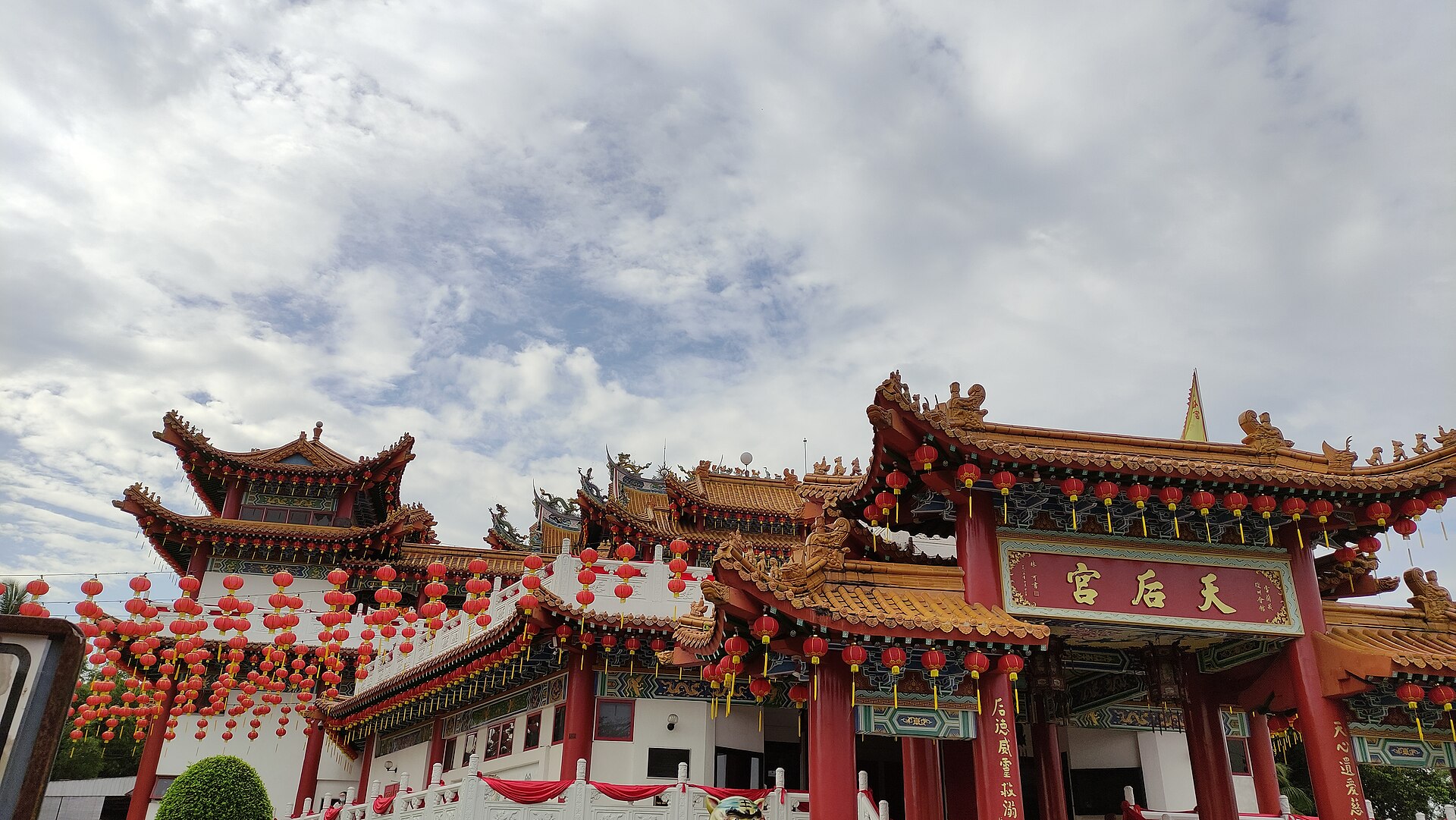
Up the hill and a short drive away sits Thean Hou Temple, one of the largest Chinese temples in Southeast Asia, its tiered red-and-gold roofs looking out over the city. It's not technically in Bangsar, but it's close enough — and different enough in mood, incense and quiet stone terraces against Bangsar's clatter of cutlery — that most itineraries pair the two in a single afternoon.
Worth knowing before you go
Prices here run higher than most of KL, closer to what you'd pay in KLCC than in an ordinary suburb — a reflection of who lives here and who the cafés are built for. That also means English is the default language on menus and at the bar, and the crowd skews expatriate and well-off local alike. Come hungry, come in the evening if you want the bars at their best, and don't expect the prices you'd find elsewhere in the city — Bangsar sells atmosphere as much as food.
</content>