Langkawi is one of the safer places you'll travel — violent crime is rare and the island runs on tourism. The genuine risks aren't people; they're jellyfish in the water, macaques that will rob you, the tropical sun, and a handful of taxi and tour touts. Handle those four and you'll be fine.
In the water: jellyfish
The one thing to take seriously. Stings are treated on Pantai Cenang through the season, and while rare, box jellyfish are potentially deadly — there has been a fatality here — so the beach warnings are not for show. The higher-risk window is roughly January–June. Obey posted flags, consider a rash vest, and if you're stung: get out, don't rub it, douse with vinegar if available, and seek medical help immediately.
On land: the monkeys
Watch out
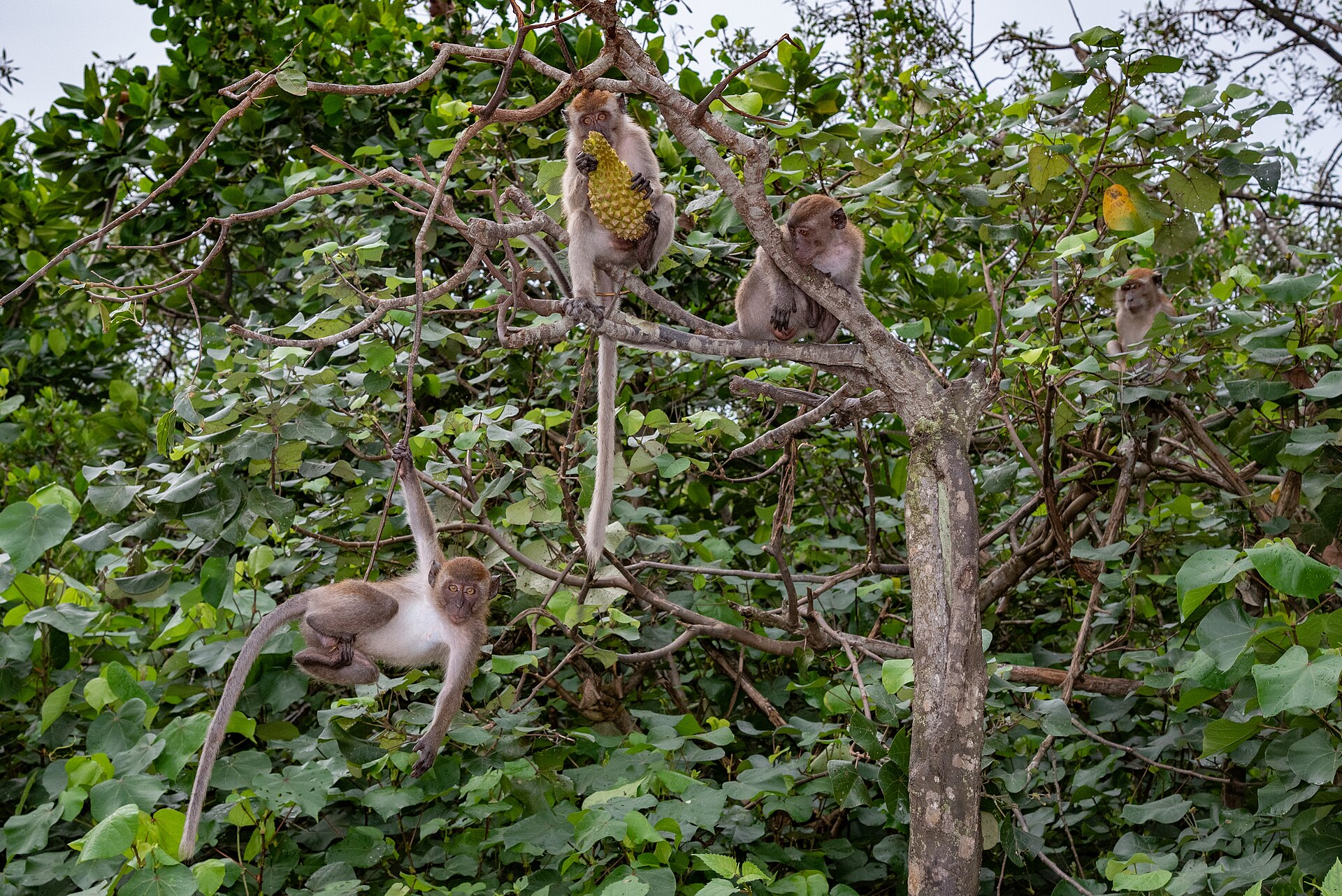
The long-tailed macaques at the Seven Wells, the cable car and roadside viewpoints are bold and organised. They snatch food, phones and unzipped bags, and they can carry rabies — a bite or scratch means seeing a doctor. Don't feed them, don't pose with them, keep everything zipped, and lock hotel-room doors and balconies.
The sun, the water, the mozzies
| Sun | Fierce and close to the equator — sunscreen, hydrate, shade at midday |
|---|---|
| Tap water | Don't drink it — use bottled, even for brushing |
| Mosquitoes | Dengue is possible but uncommon — repellent at dawn and dusk |
| Medical | Langkawi Hospital in Kuah has 24-hour emergency; private clinics want payment or insurance up front |
The touts
Watch out
Confirm every taxi fare before you get in (the island uses a fixed-fare zone system), and be firm with island-hopping and boat touts around Pantai Cenang, Kuah and the ferry terminal — book through a reputable operator and agree the price up front.
Travel insurance is worth having. Otherwise, relax — this is a gentle island.