Home › Langkawi › The Mahsuri legend
Langkawi · Legend & history
The Legend of Mahsuri & the Seven-Generation Curse
Wrongly accused, executed, and bleeding white to prove her innocence — Mahsuri's dying curse is woven into how Langkawi explains itself.
If Langkawi has a founding story, it's Mahsuri's. Around two centuries ago, so the legend goes, a beautiful young woman was wrongly accused of adultery and put to death — and as she died, her blood ran white, proof of her innocence, and she cursed the island with seven generations of bad luck. It's folklore, not documented biography, but it's threaded through everything here, right down to why locals half-joke that the island's tourism boom means the curse has lifted.
The story
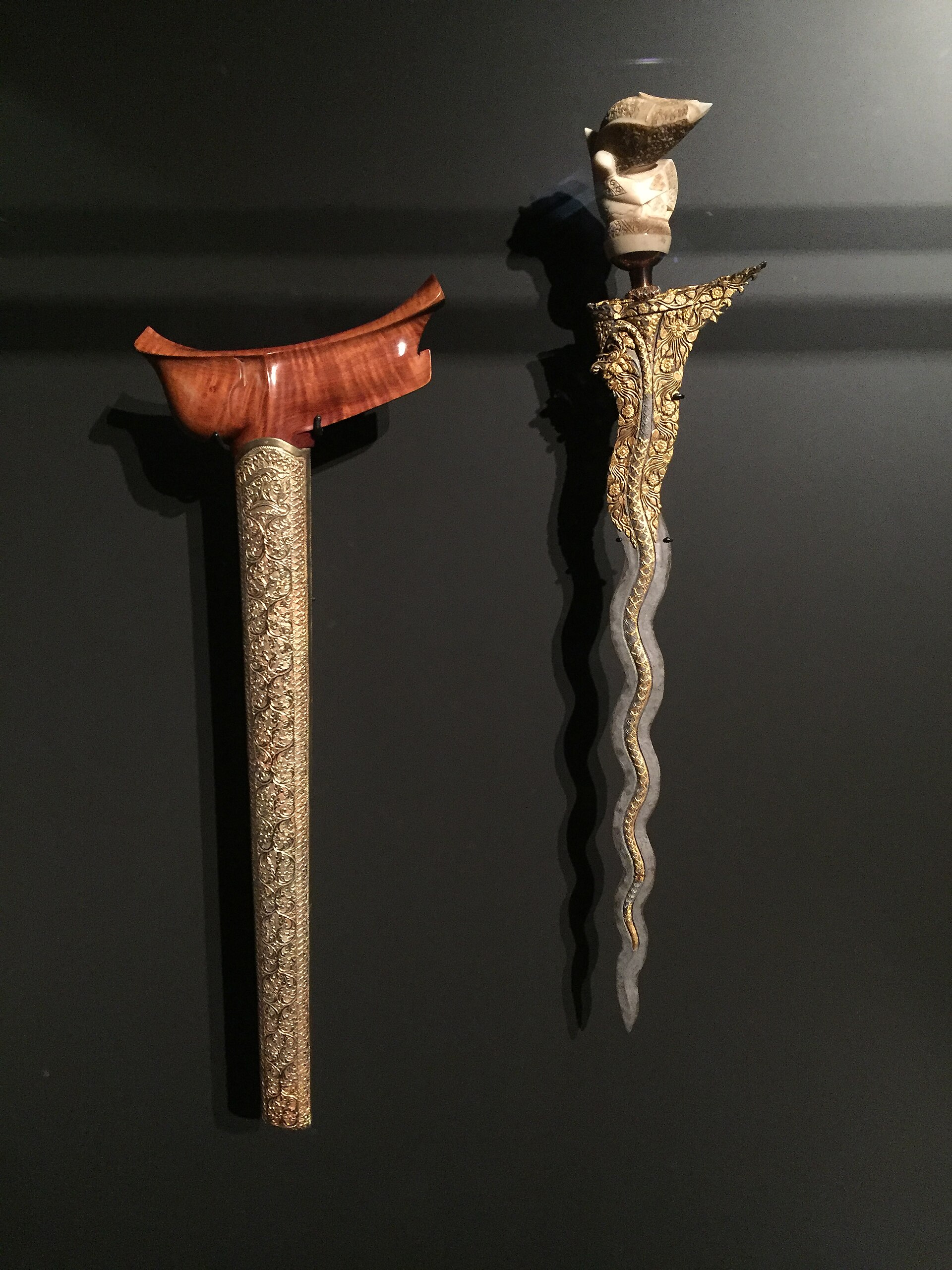
Mahsuri binti Pandak Mayah was married to a warrior away fighting the invading Siamese. In his absence she befriended a young travelling minstrel, and the village headman's jealous wife accused her of adultery. Condemned and tied for execution, Mahsuri could not be killed by ordinary blades; only her family's sacred (dagger) drew blood — and it ran white. With her last breath she declared that Langkawi would not prosper for seven generations.
The history underneath
The parts on firmer historical ground are the ones people skip. Langkawi really was overrun in the Siamese invasion, and to deny the enemy food the villagers burned their own rice fields at Padang Matsirat — the "field of burnt rice," where locals say charred grains still surface after rain. Whether or not you believe in curses, the island then spent generations poor and overlooked, booming only late in the 20th century as a duty-free resort.
Note
Treat the white blood, the curse, and the tidy "seventh-generation descendant found in Phuket" epilogue as legend and local belief — the Kedah Historical Society recorded more than thirty different versions in 1988. The Siamese invasion and the burnt rice fields are the documented anchors. That honesty is the respectful way to tell it.
You can visit the tomb and its museum near Kampung Mawat, where the legend is laid out with a reconstructed Malay house and the dagger said to have killed her.