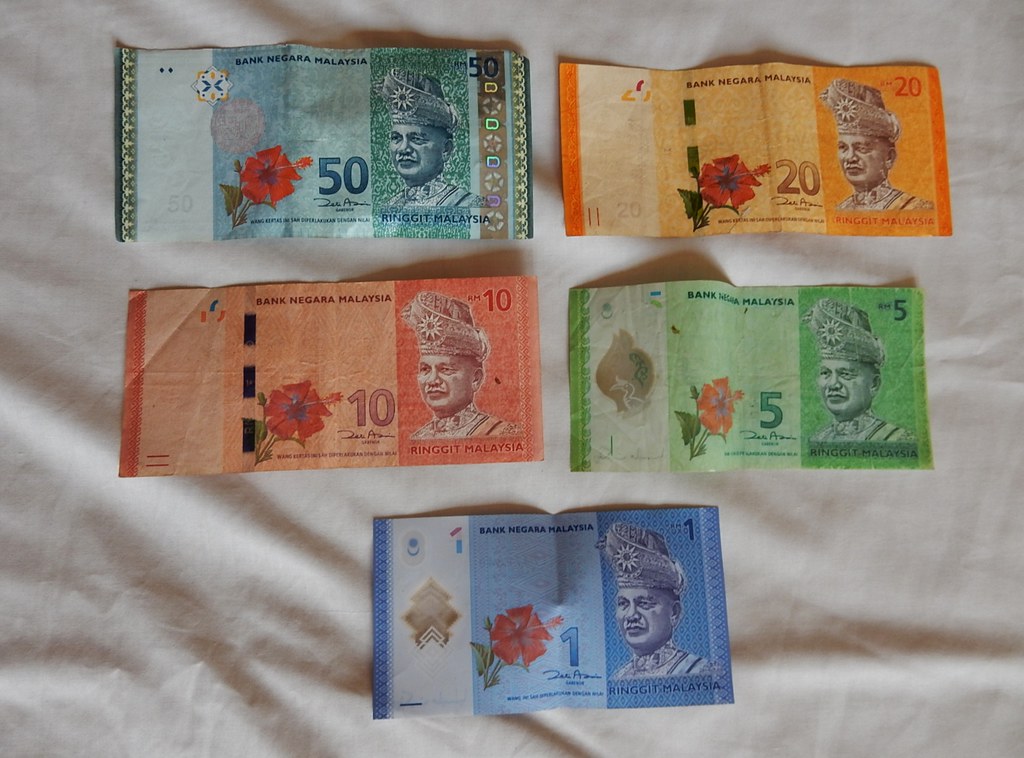
Malaysia runs on the (RM), and day to day it's an easy currency to manage: cards cover most of city life, cash still rules at hawker stalls and small towns, and a growing wave of QR-code payments sits neatly in between. Nobody expects a tip. The only real planning is knowing which of the three — card, cash or QR — to reach for, and where.
What is the ringgit, and do I need cash at all?
The ringgit (RM, MYR) splits into 100 sen, though sen coins are increasingly rare in daily use — prices round to the nearest 5 or 10 sen in practice. You'll need at least some cash: plenty of hawker stalls, wet markets, small guesthouses and rural transport still don't take cards, and not everywhere accepts e-wallets either. Carrying a mix of card, a little cash and a QR-payment app covers almost every situation.
| Currency | Malaysian ringgit (RM/MYR); 100 sen = RM1 |
|---|---|
| Cash for | Hawker stalls, markets, small towns, older taxis |
| Tipping | Not expected; upmarket bills often add ~10% service + tax |
| ATM withdrawal | Foreign cards typically charged a flat fee per transaction, on top of your own bank's charge |
| Money changers | Licensed changers in cities usually beat airport and hotel rates |
Cash or card — where each one actually works
Cards, largely contactless, are the default in cities: malls, chain restaurants, supermarkets, mid-range and upmarket hotels, and most fuel stations take them without fuss. Step down a level — a stall, a night market, a small-town kedai kopi, a short top-up in cash to a driver — and you're back to notes and coins. Smaller towns and rural areas lean cash-first generally, so top up before you leave a city.
Tip
Keep a stash of smaller notes (RM1, RM5, RM10) for stalls, parking and short taxi rides — vendors running a one-person stall often can't break a large note.
ATMs and foreign cards
Bank ATMs are widely available in cities, towns and most tourist areas, and nearly all accept international Visa/Mastercard-network cards. Two things catch people out: a flat withdrawal fee charged by the Malaysian bank on top of whatever your home bank charges, and a daily withdrawal limit set by the local machine rather than your own account. Withdrawing a larger amount less often, rather than little and often, usually costs less overall.
Watch out
Choose to be charged in ringgit, not your home currency, when an ATM or card machine offers "dynamic currency conversion" — the ringgit option is almost always the better exchange rate.
QR codes and e-wallets
Malaysia has moved fast toward QR-code payments. DuitNow QR is the national standard that many banks and e-wallets read from a single sticker, and apps like Touch 'n Go eWallet and GrabPay are now accepted well beyond big cities — hawker stalls, parking, even small shops often have a QR code taped to the counter. As a short-stay visitor you likely won't set one up yourself (most need a local bank link or ID to top up fully), but don't be surprised to see locals paying this way more than with cash or card.
Money changers vs airport counters
Licensed money changers in city centres — Kuala Lumpur's Bukit Bintang and Masjid India are known clusters — generally offer noticeably better rates than airport counters or hotel front desks, which trade convenience for a worse rate. If you land needing a little local cash immediately, change a small amount at the airport to get moving, then do any larger exchange at a licensed changer in town.
What things roughly cost
A hawker meal in a city runs somewhere around RM8–15, a basic kopi or local coffee around RM2–4, and a short ride across town often lands in the RM10–25 range depending on distance and demand. These move with location, season and fuel prices, so treat them as a rough sense of scale rather than a quote.
Tipping
Tipping isn't a Malaysian custom and nobody will chase you for one. Upmarket restaurants and hotels commonly add roughly a 10% service charge plus tax to the bill automatically — check before adding anything extra. Rounding up for a driver or leaving small change at a stall is a kind gesture, never an obligation.
Note
Prices, fees and rates above drift — they're checked against sources and dated to August 2026. For anything time-sensitive (ATM fees, exchange rates), confirm with your own bank or a current money changer before you rely on it.