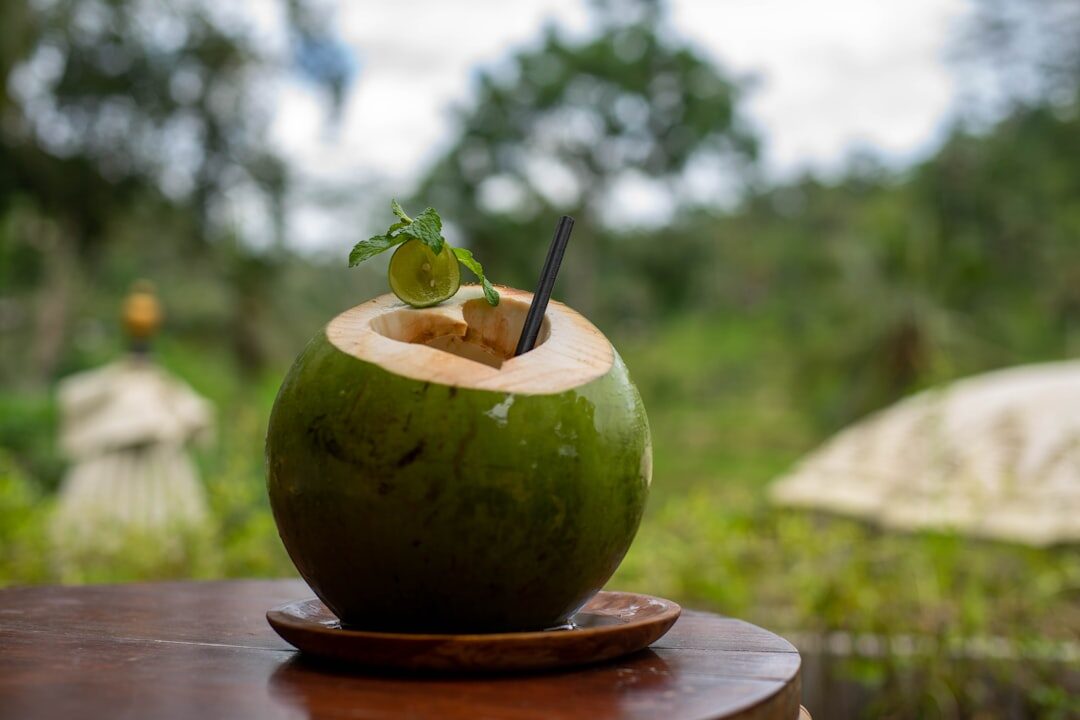
"Bali belly" gets a laugh right up until it flattens two days of your trip — you, a fan, and a bathroom you're not leaving. Here's the thing worth holding onto: most of it is preventable, and the few things that are actually dangerous are worth knowing cold. I'll walk you through both.
I live down on the Bukit, and over the years I've watched a lot of guests lose a morning — sometimes two — to a stomach that turned on them. Almost always it was something small and avoidable. Now and again it was something that needed a clinic, fast. This page is me telling you the difference before you need to know it.
Note
I'm a local who's seen this play out a hundred times, not a doctor. Treat everything here as general traveller's information, not medical advice. For anything that worries you — and for every one of the red flags further down — see a doctor. And get travel insurance before you fly; a single clinic visit here can cost more than the flight.
What "Bali belly" actually is
It isn't a curse and it isn't the food being dirty. It's traveller's diarrhoea — your gut meeting unfamiliar bacteria in the local water and food that your body back home never had to deal with. Locals eat the same meals with no trouble because we grew up on those bugs. You didn't, so your stomach objects.
Most of the time it's miserable but short: cramps, urgent trips to the toilet, maybe a low fever, running its course in one to three days. Unpleasant, not dangerous — as long as you stay ahead of the dehydration and know when it's turned into something else.
Avoiding it in the first place
You can dodge most of it with a few habits that become automatic by day three:
- Don't drink the tap water. Not from the tap, not to fill a bottle. In cheaper losmen and homestays, brush your teeth with bottled or filtered water too — it's a small amount, but it's the same water. Mid-range places up are generally fine for brushing, but when in doubt, bottled.
- Ice is usually fine in tourist cafés and proper restaurants — they use machine-made cylinder ice (the kind with the hole through the middle) trucked in from ice factories. At a roadside stall or a miles from anywhere, it's iffier; if you can't tell, skip it there.
- Be sensible with the high-risk plates: raw salads and herbs washed in tap water, unpeeled fruit, buffet food that's been sitting out lukewarm, and street food that isn't cooked-to-order and served properly hot. Heat is your friend; room temperature is not.
- Wash or sanitise your hands before eating — you touch scooter handlebars, cash, temple railings, then your food.
None of this means fear the warungs. Bali's street food and family warungs are one of the best parts of being here, and they're mostly fine — the trick is to eat where it's busy and freshly cooked, so the food's moving fast and hot, not sitting under a lamp. A packed warung with a queue of locals is a good sign, not a risk.
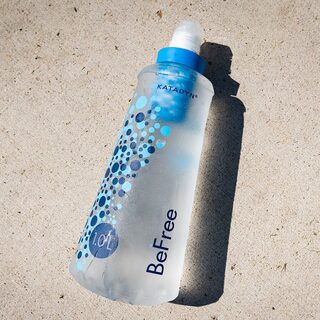
One bit of kit does double duty here. A decent filter bottle means you stop buying bottled water — Bali drowns in single-use plastic and you'll go through a shocking amount — while also cutting your exposure when the only water around is questionable.
If it hits you anyway
It will, for plenty of people, no matter how careful you are. Here's the plan:
- Rehydrate hard. This is the single most important thing. You're losing fluid and salts fast, and plain water alone doesn't replace them. Oral rehydration salts — the little sachets you stir into water — are the most useful item in your whole kit. Sip steadily; don't wait until you feel thirsty.
- Rest and eat bland. Give it a day. Plain rice, bananas, dry toast, clear soup. Skip the spicy and the until you're properly back.
- Anti-diarrhoeal, sparingly. A generic like loperamide can plug you up long enough to survive a travel day or a long transfer, but understand what it does: it stops the symptom, it does not cure the infection. Don't use it to push through and ignore the rest.
The part that matters most is knowing when to stop self-treating and get to a doctor. Go — don't wait it out — if you see any of these:
Watch out
Red flags. See a doctor now, don't tough these out:
- Blood in your stool, or black tarry stool
- A high fever rather than a mild one
- Vomiting everything, unable to keep down even sips of water
- Signs of dehydration — dizziness, barely peeing, dark urine, confusion, a lethargic child
- No improvement after two to three days, or it's clearly getting worse
Any one of these can mean something past ordinary Bali belly. A clinic can rehydrate you with a drip and test for what's actually going on.
The pharmacy kit worth packing
You can buy almost all of this here — pharmacies are everywhere — but you don't want to be hunting for it at 2am mid-episode. Pack the basics before you fly:
| Oral rehydration salts | The most useful thing you'll bring. Several sachets — they weigh nothing |
|---|---|
| Anti-diarrhoeal | A generic like loperamide, for surviving a travel day only |
| Paracetamol | For fever and the aches that come with it |
| Antihistamine | Bites, heat rash, mystery reactions |
| Antiseptic + plasters | For every scooter graze — and there will be grazes |
| Motion-sickness tabs | The winding roads up to the highlands are no joke |
| Your own prescription meds | Bring enough for the whole trip plus a buffer — some are hard to get here |
Once you're on the island, pharmacies are easy and cheap. Look for "Apotek" signs, or the reliable chains Guardian and Kimia Farma in any town of size. Pharmacists often speak enough English to help, and a lot of things that need a prescription at home are sold over the counter here — which is convenient, and also a reason not to self-prescribe antibiotics on a whim.
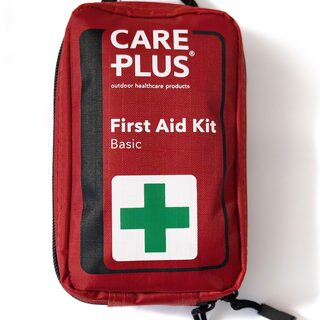
Rather than assembling all this piecemeal, a compact travel first-aid kit covers most of it in one go.
The bigger risks worth knowing
I don't want to scare you — the odds on any single trip are low. But these are the ones where knowing the right move in advance genuinely matters, so read them once and file them away.
Mosquito-borne illness
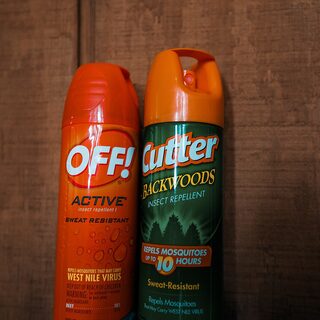
Dengue is real and present in Bali, especially in the wet season when the mosquitoes breed hard. There's no vaccine you'll realistically get for a two-week trip, so the whole game is not getting bitten: repellent on exposed skin, cover up at dawn and dusk when the daytime dengue mosquito is most active, and don't leave standing water around your room. It's usually a rough week rather than a catastrophe, but it can put you in hospital, so take the bites seriously.
Good repellent is one of those things people underpack and then regret.
Malaria is not a concern in Bali proper — you don't need antimalarials for a normal Bali trip. It does exist in some remote parts of eastern Indonesia (Papua and the like), so if you're tacking on a trip out there, check separately for that leg.
Rabies
This is the one I most want you to take seriously, because it's present in Bali and it's the difference between a good story and a fatal mistake. It's carried by stray dogs and by monkeys — including the macaques at the Monkey Forest and around Uluwatu temple that will happily climb on you for a snack.
Don't touch stray dogs. Don't feed or handle the monkeys, and keep sunglasses, loose jewellery and snacks out of reach — a grab becomes a scratch fast.
Watch out
Any bite or scratch that breaks the skin — dog or monkey — is treated as a rabies exposure. Wash the wound immediately with soap and running water for a full 15 minutes, then get to a clinic as soon as possible for post-exposure vaccination. This is not a wait-and-see situation: rabies is effectively fatal once symptoms appear, but the post-exposure shots are highly effective if you start them promptly. Don't let anyone talk you out of going.
Sun and heat
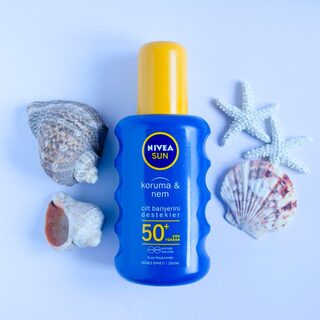
Easy to underestimate two degrees off the equator. The tropical sun is brutal — people burn badly on day one and lose the rest of the trip to it. Reef-safe sunscreen (better for you and for the coral you came to snorkel over), reapply after swimming, drink more water than feels necessary, and respect the sun when you're face-down snorkelling and can't feel your back cooking.
Methanol in cheap alcohol
I cover this in full on the scams page because it's the one that genuinely kills tourists, but it belongs here too: homemade arak and cheap "free-pour" cocktails can be contaminated with methanol, which can blind or kill and doesn't taste wrong going down. Drink sealed, brand-name bottles and beer only, and skip the mystery buckets and welcome shots. The full version, with what to do if it happens, is on the Bali scams page.
Clinics, hospitals & why insurance isn't optional
For anything past what a pharmacy can hand you, Bali has international-standard clinics and hospitals, mostly clustered in the south. BIMC and Siloam are the names travellers are usually sent to , with English-speaking staff and proper facilities. They are also private and they will want payment or proof of insurance up front, and the bills climb fast — a drip and a night's observation is real money, an evacuation is a different order entirely.
Which is exactly why travel insurance is non-negotiable, especially cover that includes a scooter crash (read the small print — many policies exclude it unless you hold the right licence) and, worst case, medical evacuation. Sort this before you fly, not from a hospital bed.
Insurance that covers a clinic visit and, worst case, evacuationGet a quoteFlexible cover if you're the long-trip, open-ended typeGet a quoteOne number to keep in your phone: 112 is the general emergency line in Indonesia . For anything serious, a good clinic or your insurer's 24-hour assistance line will usually get you sorted faster.
The short version
Don't drink the tap water, eat where it's busy and hot, and pack rehydration salts — that handles most of it. Know the red flags that mean see a doctor, don't touch the dogs or the monkeys, cover up against mosquitoes, drink only what came sealed, and buy proper travel insurance before you land. Do that and you'll spend your trip in the water and up the volcanoes, not in the bathroom.
Go deeper
The newsletter
I'm writing Bali the way I wish someone had written it for me
The stuff that keeps you well, the drinks worth avoiding, the clinics worth knowing before you need them — one honest, been-there guide at a time. Want the next one?