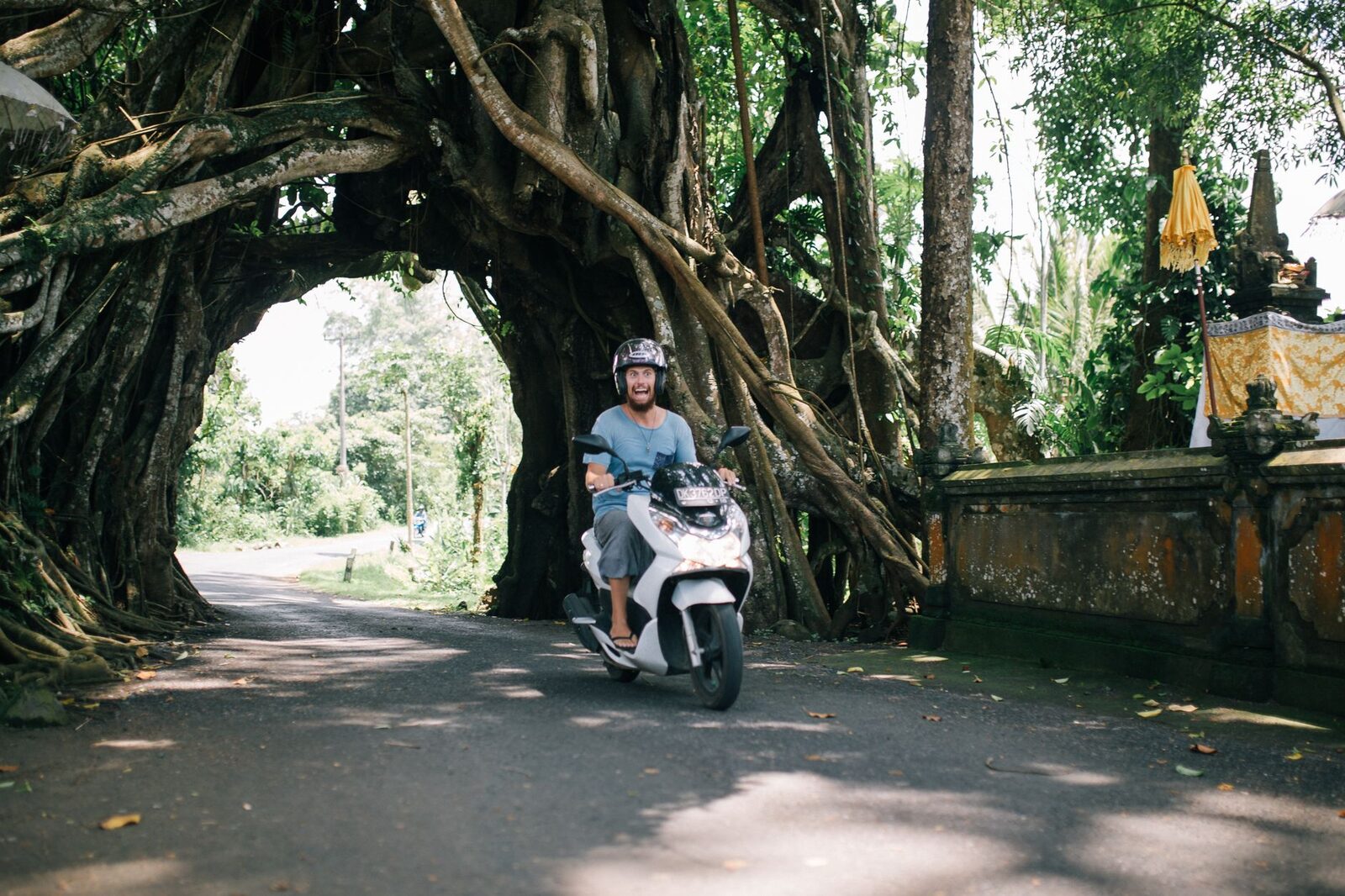
The scooter is how you actually see Bali. Past the resort gate, past the hotel shuttle, down the lane to the where the family knows your order — that's a scooter, not a taxi. It's also the single biggest way tourists get hurt or fined here. Both of those are true at once, and this page is me trying to keep you on the good side of that line.
I ride every day. Bukit to Uluwatu, Uluwatu to the market, home after dark on roads with no lights. I'm not going to talk you out of it. I'm going to tell you what nobody at the rental shop will.
The licence reality — read this one twice
Legally, to ride a motorbike in Bali you need two things: a motorcycle licence from your home country, and an International Driving Permit (IDP) endorsed for motorcycles. A car IDP is not enough — the endorsement has to cover two wheels.
Here's the gap that catches people. Renting is trivially easy without any of that — a shop will hand you keys and never ask. Riding without the licence is illegal, and that's the small problem.
Watch out
The big problem: riding without the correct licence voids your travel insurance. If you crash — and people crash here constantly — your policy can refuse the claim. A serious scooter injury in Bali means a private hospital, and a medevac flight home runs into the tens of thousands of dollars, paid by you. The licence isn't bureaucracy. It's the thing standing between a bad day and a bankrupting one.
Before you leave home: get the motorcycle licence sorted, get the IDP with the motorcycle stamp, and check that your insurance actually covers riding a scooter. Most standard policies exclude motorbikes, or only cover them up to a small engine size, or only if you're licensed. Read the wording.
Insurance that actually covers a scooter — most policies don'tGet a quoteSafetyWing — the long-stay alternativeGet a quoteWhichever you pick, remember the insurer will still want to see the licence and IDP when you claim. The policy covers the bike; you still have to have been legal on it.
Police checkpoints
Tourist-targeted checkpoints are a fact of life here, historically clustered around Kuta, Legian and Sunset Road, though they move. Police pull over foreign riders and check two things: licence and helmet.
If you're missing either, expect an on-the-spot "fine" of roughly IDR 250,000–500,000. Sometimes it's negotiable cash that never reaches a station; sometimes it's a genuine tilang — an official ticket you pay properly. You often can't tell which you're dealing with in the moment.
How I handle it: carry your documents, always. Be calm, polite, unbothered — this is routine, not a crisis. If you have your licence and IDP, show them and you'll usually be waved on. If they claim a violation you don't understand, you can politely ask for the official tilang ticket. Asking for paperwork tends to shrink an inflated number, because a real ticket has to be justified.
Helmets and the law
A helmet is legally required for both rider and passenger, and I mean wear it on the two-minute run to the shop too — that's exactly when people come off. The police enforce it and it's the difference between a scrape and a head injury on Bali's roads.
Rental helmets are often flimsy. Wear one anyway; a bad helmet beats none.
Worth knowing: through 2023–24 the authorities tightened the rules on foreign riders after a run of bad behaviour — talk of requiring visitors to use registered rental businesses rather than roadside guys, and floating tighter licensing checks. Enforcement waxes and wanes, but the direction is clear: fewer excuses for tourists on bikes, not more.
Renting well
Expect roughly IDR 60,000–90,000 a day for a 110–125cc automatic — a Honda Scoopy or Vario, the standard island runabout. Weekly and especially monthly rates are much cheaper per day, so if you're staying a while, don't pay the daily rate.
Rent from an actual shop or from your villa or guesthouse — someone with a name and a fixed address — not a random guy who materialises at the beach. When something goes wrong, you want to know where to find them.
Before you take the keys, inspect the bike:
- Brakes — squeeze both, front and back, rolling it forward. Spongy or grabbing is a no.
- Tyres — tread and no bald patches. This is your only contact with wet roads.
- Lights — headlight, brake light, indicators all working. You'll ride at night whether you plan to or not.
- Horn — not a joke here; it's how everyone signals "I'm here" in traffic.
Then the important part: photograph and video every scratch, dent and scuff before you ride off. Walk around it filming, narrate the damage. This is your defence against the classic damage shakedown, where a scratch that was there all along becomes your fault at return time. It's a well-worn move — see the Bali scams you'll actually meet — and a two-minute video kills it dead.
Tip
They'll ask to keep your passport as the deposit. Don't hand over the original if you can possibly avoid it — a lost or leveraged passport is a genuine nightmare. Offer a clear photocopy or a cash deposit instead. Plenty of decent shops accept this if you ask.
Actually riding it
Bali traffic is not orderly and pretending otherwise gets people hurt. Ride like everyone is about to do the wrong thing, because some of them are.
- Assume people will pull out without looking — from driveways, side lanes, the wrong side of the road.
- Watch for dogs, potholes, and unlit trucks on dark roads. Night riding is where it gets dangerous fast.
- Never ride drunk. Obvious, ignored constantly, and a big share of the serious crashes.
- Wet season changes everything — roads flood, and that first rain after dry spell lifts oil to the surface and turns tarmac greasy. Slow right down.
- Know your terrain. The Bukit's cliff roads are steep with blind bends; Ubud's lanes are narrow and clogged. Neither is a place to find your feet.
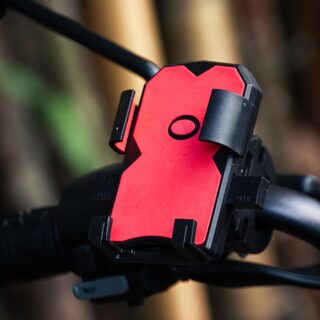
Use Google Maps, and use a phone mount so you're not steering one-handed at 40kph squinting at a phone in your palm.
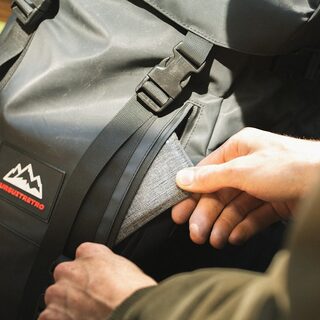
If you're riding through wet season, a dry bag is not optional — a downpour soaks a backpack, and your passport and phone with it.
For petrol, use a real Pertamina station where you can, or the roadside Pertamini pumps and the stalls selling it by the bottle. All fine in a pinch.
The alternatives — and when to take them
You don't have to ride at all.
Grab and Gojek are the ride-hailing apps — bikes and cars, cheap, with the price fixed in the app so there's no haggling. The catch: some areas have a "taxi mafia" and drivers won't do app pickups there, so you'll see no-pickup zones near certain beaches and markets. Usually you just walk a few hundred metres out and order from there.
A private driver for the day is the civilised way to see the far corners of the island — one car, one price, no parking, no riding home tired after sunset.
Rather not ride? Hire a driver for the dayCheck availabilityLet me be blunt about the biggest question. If you have never ridden a motorbike, Bali is a terrible place to learn. The traffic, the roads, the stakes — none of it forgives a beginner. Take Grab and hire drivers, save the scooter dream for somewhere quiet, and you'll still see everything. Nobody's holiday was ruined by not riding. Plenty were ruined by riding.
| Carry, always | Home motorcycle licence + motorcycle-endorsed IDP, helmet on your head, phone mount, and a poncho or dry bag in wet season |
|---|---|
| Fair daily rate | ~IDR 60,000–90,000/day for a 110–125cc automatic; far less by the month |
| Deposit | Offer a passport photocopy or cash — don't leave the original if you can avoid it |
| At a checkpoint | Stay calm and polite, show your documents; if a "fine" seems off, ask for the official tilang ticket |
| Never learn here | First time on a motorbike? Use Grab and drivers instead — Bali is no place to start |
Should you rent one?
If you can ride and you sort the licence and insurance first — yes, and it'll be the best decision of your trip. The scooter is the difference between seeing Bali and being shuttled past it. But do it legal: the correct licence, the right insurance, a helmet every single time, and a video of the bike before you leave the shop. Skip any of those and the horror story in the title is just your story you haven't lived yet.
The newsletter
I'm writing Bali the way I wish someone had written it for me
The road home after dark, the warung down the lane, the checkpoint on Sunset Road — one honest, been-there guide at a time. Want the next one?