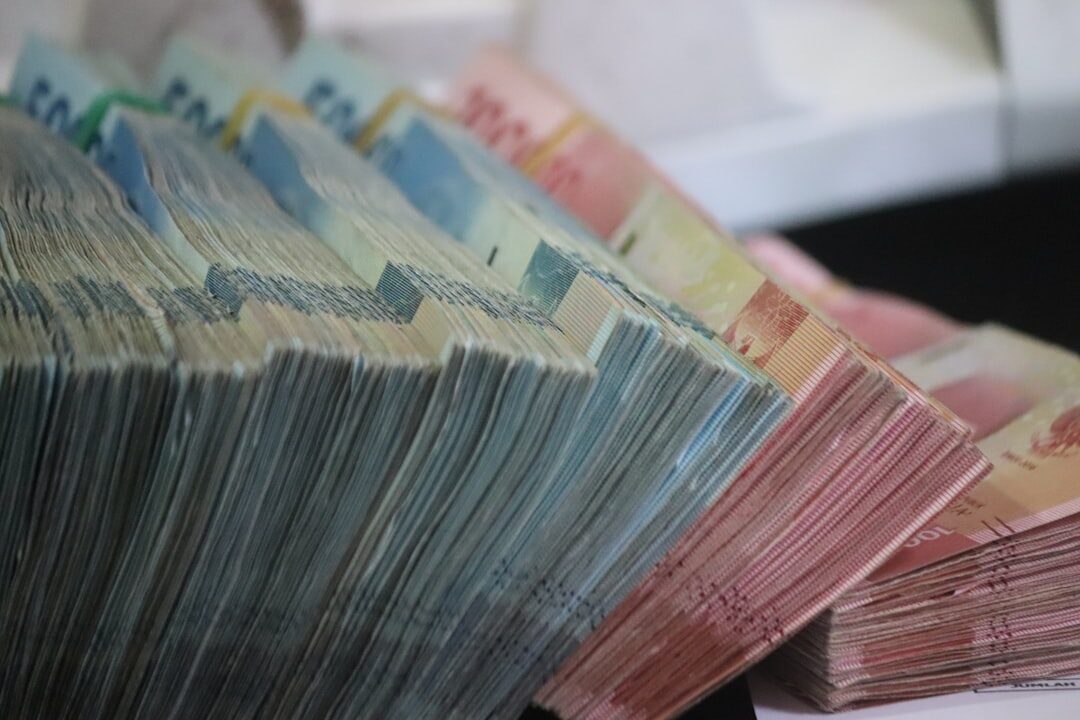
Bali runs on cash far more than you'd expect. The notes have a comic number of zeros, and the two places tourists actually lose money here are the same two every time — the ATM and the money-changer. Get those right and the rest of the island is cheap and easy.
I live down on the Bukit, and I watch guests arrive off a long flight, tired, holding a fat stack of unfamiliar notes, doing sums in their heads. That's exactly the moment the small skims land. So let me walk you through the money the way I'd tell a friend before they came.
The currency: you're about to be a millionaire
Bali uses the Indonesian rupiah (IDR). As of 2026 it's roughly IDR 16,000 to 1 USD — so a decent dinner runs IDR 100,000–200,000 and yes, you'll technically be a millionaire the moment you pull cash out.
The notes you'll actually handle: 100,000 (red), 50,000 (blue), 20,000 (green), 10,000 (purple), 5,000 (brown), plus smaller ones for parking and . The two big ones — 100k and 50k — look similar when you're tired, and that's not an accident. Slow down when you count them.
The mental trick that saves you: drop the last three zeros, then divide by about 16 to get US dollars. IDR 150,000 becomes 150, divide by 16, call it nine or ten dollars. Rough, but it stops you overpaying by a factor of ten because you miscounted a zero.
Cash vs card: carry cash, but not a fortune
Cards work fine at malls, the nicer hotels and restaurants, and big supermarkets like Pepito or Grand Lucky. Almost everywhere else — warungs, markets, small drivers, temple donations, roadside parking, the fruit lady — is cash only.
So the rhythm is simple: carry enough cash for the day, but not a fortune. Enough for meals, transport, entrance fees and a bit of shopping. If you're carrying more than you'd be relaxed about losing, you're carrying too much. Leave the rest, and your backup card, locked in your room.
ATMs: the skimming risk, and how to dodge it
This is where the quiet money loss happens. Skimmers get clipped onto lonely street-corner machines to steal your card number and PIN.
Use an ATM attached to a bank branch or inside a mall — BCA, Mandiri, BNI and CIMB are the big, reliable names — not a standalone box glowing on a dark street. A few habits that cost you nothing:
- Cover the keypad with your other hand every single time.
- Give the card slot a wobble before you insert; skimmers are stuck on and often wiggle loose.
- Withdraw during bank opening hours when the machine's in view of staff.
A couple of practical numbers. Withdrawal caps are usually around IDR 2,500,000–3,000,000 per transaction , and the machine will tell you whether it dispenses 50k or 100k notes (100k machines are faster to a big cash-out but harder to break for small buys). The sting is the fee: foreign-card ATM withdrawals often carry a flat IDR 50,000 or more per transaction , charged by the machine on top of anything your own bank adds. So the move is obvious — withdraw larger amounts, fewer times.
One more, watch the screen: if it asks whether to "convert to your home currency," always say no and let your own bank do the exchange. That "yes" is a bad rate dressed up as a convenience.
Watch out
Take your card back before the cash. Some machines return your card only after they dispense the notes; others do it the other way round. People grab the cash, feel done, and walk off leaving the card in the slot. Wait for both, every time.
Cards worth bringing
Bring two, and keep them apart:
- A low- or no-foreign-exchange card — Wise, Revolut, or a fee-free travel debit card. These save you real money over two weeks versus a normal bank card that charges a percentage on every tap.
- A backup card, kept separately from the first — different pocket, or one in the room safe. If one gets skimmed, eaten by a machine, or frozen, you are not stranded.
And tell your bank you're travelling before you fly, so a rupiah withdrawal on day one doesn't trip a fraud block and lock you out.
Money changers: the classic scam
You'll see boards down the side streets quoting rates a notch better than everyone else. That better rate is the bait. Once your dollars are on the counter the count begins, and somewhere in it notes get folded back, palmed, slid under the calculator, or "recounted" into a smaller pile. Sometimes a "commission" appears at the end that was never mentioned. The classic move: they hand you the stack, then take it back one more time "just to check."
If you do use a changer:
- Use an authorized one with a proper shopfront — the blue PT Central Kuta Bali branding is the name locals point you to — not a hole in a wall down an alley.
- Count every note yourself, in front of them.
- Once the cash is in your hand it does not go back on their side of the counter, for any reason. If they reach for it again, you're done — pick it up and leave.
Honestly? Most trips I skip changers entirely and just pull rupiah from a bank ATM. Less theatre, less risk. The full anatomy of this one, and its cousins, is in the Bali scams guide.
Tipping: not obligatory, increasingly expected
Tipping isn't built into Balinese culture the way it is in the US, but in the tourist areas it's appreciated and, more and more, quietly expected. Here's the honest version.
Restaurants: many mid-range and up places already add a "++" to the bill — roughly 10% service charge plus 11% VAT . Check the bottom of the menu or the bill before you add anything, because that service charge is a tip. If there's no service charge and you were looked after, 5–10% is kind.
Drivers, guides, spa staff: rounding up, or IDR 10,000–50,000, lands well — more for a full day's driving or a guide who genuinely made the day.
Hotel porters, warung meals, taxis: not expected. Round up if you like, but nobody's counting.
| Restaurant (no service charge) | 5–10%, or round up |
|---|---|
| Restaurant with '++' | Service charge is the tip — check the bill first |
| Full-day driver | IDR 50,000+ on top of the fare |
| Spa / massage | IDR 20,000–50,000 |
| Porter / bag help | IDR 10,000–20,000 |
| Warung meal / taxi | Not expected — round up if you like |
If you'd rather not gamble on street taxis for day trips at all, a car and driver for the whole day costs less than most people expect and takes the fare negotiation off the table.
Book a driver for the dayCheck availabilityBudgeting reality: where the money actually goes
Rough daily ranges, per person, once you're on the ground :
- Backpacker: IDR 400,000–700,000 — hostel or cheap homestay, warung food, your own scooter, free beaches.
- Mid-range: IDR 1,000,000–2,500,000 — a nice guesthouse or modest villa, mix of warungs and Western cafés, the odd driver day.
- Comfortable: IDR 3,000,000 and well up — private villa, drivers, spas, and the pricier restaurants and clubs.
The thing to know is where it goes. Accommodation, scooter and everyday food are genuinely cheap. What quietly adds up is the rest: private drivers, guided activities and tours, temple and attraction entrance fees, and villa nightly rates in high season. Two people eating at warungs and riding a scooter can live on very little; the same two doing a driver-and-guide day every day are on a different budget entirely. Neither is wrong — just know which trip you're actually taking before you plan the cash.
The short version
Rupiah has a lot of zeros — drop three and divide by sixteen. Pull cash from bank-attached ATMs in big amounts to dodge the fee and the skimmers, take your card back before the notes, and bring a no-FX card plus a separate backup. Skip the street money-changers, or count every note yourself and never hand the stack back. Tipping's optional but kind — just check for the "++" first. Get the ATM and the changer right and Bali is one of the cheapest good trips you'll take.
Go deeper
The newsletter
I'm writing Bali the way I wish someone had written it for me
The cash traps, the scooter checkpoints, the drinks worth avoiding and the ones worth staying up for — one honest, been-there guide at a time. Want the next one?