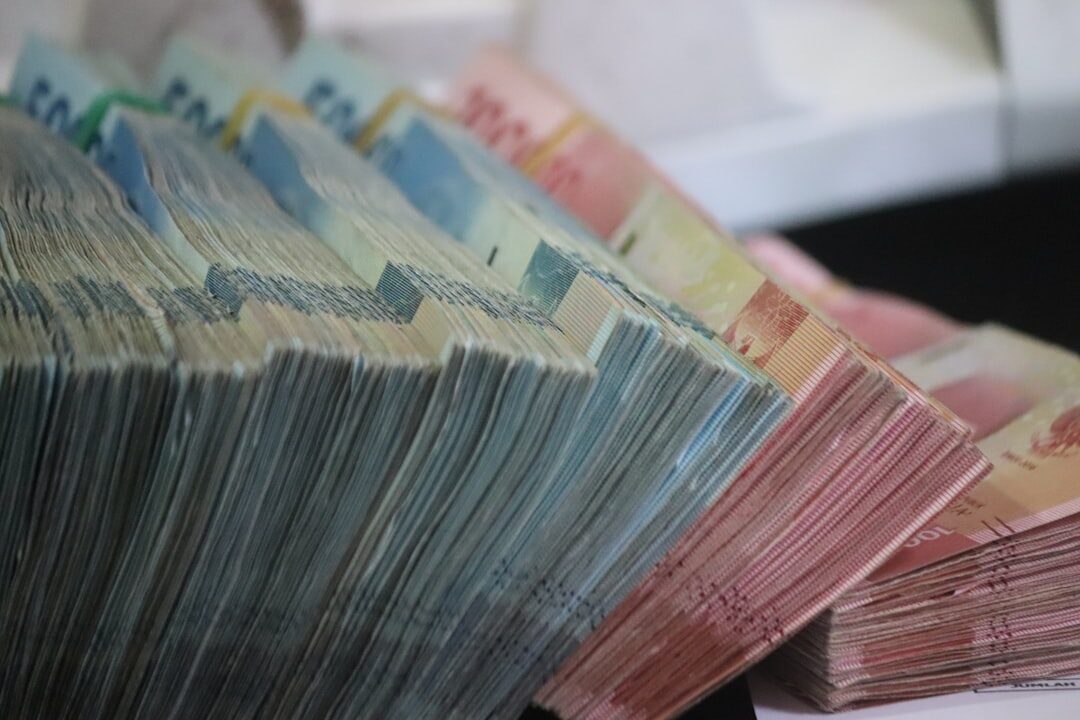
Bali · Costs & budgets
The cost of a month in Bali
Four honest monthly budgets — from a ~$650 shoestring to ~$3,000 villa life — and the line-by-line rupiah behind each one.
A month in Bali costs most people between about US$650 and US$3,000, and where you land in that range is decided almost entirely by two choices: what you sleep in, and how often you eat Western food. As a rough map — a shoestring month runs ~Rp 10–16M ($650–1,000), a mid-range month ~Rp 19–32M ($1,200–2,000), a comfortable digital-nomad month ~Rp 24–40M ($1,500–2,500), and villa life with drivers and restaurants Rp 40M+ ($2,500–4,000+). Below is the line-by-line rupiah behind each of those, so you can build your own number.
Note
How I costed this — read before you quote a number. These are researched 2026 price ranges, not a single receipt: real Bali costs sit on a band, not a point. Conversions use ≈ Rp 16,000 to US$1 — check today's rate, the rupiah moves. Ranges assume a stay of a month or more (long-stay rates are far cheaper than nightly), one person, and a normal-but-not-luxurious trip. High season (Jul–Aug, Christmas) pushes accommodation up 20–50%. Everything drift-prone below carries a verify mark; I re-check the whole page on a set cadence.
The four budgets, side by side
The fastest way to place yourself: pick the row that sounds like your trip. Each is an all-in monthly total — bed, food, a scooter, a SIM, and normal fun — for one person.
| Shoestring / backpacker | Rp 10–16M/mo ($650–1,000). Dorm or a simple -district room, eat local, one scooter, few paid activities. |
|---|---|
| Mid-range | Rp 19–32M/mo ($1,200–2,000). Private guesthouse or a basic villa, a mix of warungs and cafés, scooter, a trip or two a week. |
| Digital nomad (comfortable) | Rp 24–40M/mo ($1,500–2,500). A good room or small villa, a coworking membership, café mornings, scooter, some Western dinners. |
| Villa life / flashpacker | Rp 40–65M+/mo ($2,500–4,000+). Private villa with pool, a driver on call, restaurants over warungs, spas and diving. |
The gap between the top and bottom row is roughly 6× — for the same island, the same weather, the same sunsets. Almost all of that gap is accommodation and food, which is exactly where the rest of this page digs in.
Where does most of your money go? Accommodation
Accommodation is 40–60% of a Bali month and the one lever that changes everything. A hostel bed or a local room (a rented room, often with fan or basic AC) can be a tenth the price of a private villa with a pool — and both are a five-minute scooter ride apart. Book monthly, not nightly: long-stay rates run 30–50% below the per-night price, and the best deals are found on the ground or in local Facebook groups, not always on the big booking sites.
| Hostel dorm bed (per night) | Rp 90k–200k ($6–12); monthly ~Rp 2–4M ($125–250). |
|---|---|
| Basic kos / guesthouse room (monthly) | Rp 3–6M ($190–375) — fan-to-AC room, often shared kitchen. The backpacker/nomad sweet spot. |
| Private studio or 1-bed (monthly, Canggu/Ubud) | Rp 6–12M ($375–750). Own bathroom, kitchenette, sometimes a shared pool. |
| Villa with private pool (monthly, long-stay) | Rp 12–30M+ ($750–1,900+) — wildly variable by area, size and season. |
| Guesthouse room (per night, walk-in) | Rp 250k–600k ($16–38); mid villa per night Rp 800k–2M ($50–125). |
Tip
For a first week while you find a monthly place on the ground, booking a few nights ahead is worth the small premium — you arrive with a base and negotiate the long stay in person.
Find a first-week baseSee staysWhat does food cost?
You can eat superbly for $3 a meal or spend $12 without trying — the "Western-food tax" is the second-biggest lever on your budget. A warung plate of is a couple of dollars; the same hunger satisfied at a Canggu brunch café is five times that. Most people who live here run a mix — warungs on ordinary days, a café or restaurant when they feel like it.
| Warung meal (nasi/mie campur) | Rp 20k–45k ($1.25–2.80). The backbone of a cheap month. |
|---|---|
| Café brunch (Canggu/Ubud) | Rp 80k–160k ($5–10) — smoothie bowls, avo toast, the Western-food tax in one line. |
| Mid-range restaurant main | Rp 90k–200k ($6–12.50). |
| Local coffee / specialty flat white | Rp 10k–25k ($0.60–1.55) local; Rp 35k–55k ($2.20–3.45) at a third-wave café. |
| Large Bintang beer | Rp 35k–60k ($2.20–3.75) in a warung/shop; more at a beach club. Imported wine/spirits are heavily taxed — expensive. |
| Groceries (per week, cooking some) | Rp 400k–900k ($25–56); local produce is cheap, imported goods aren't. |
Getting around: scooter, Grab, or a driver?
A rented scooter is the cheapest freedom in Bali at roughly $60–90 a month all-in; ride-hailing suits car-free days; a private driver is a treat, not a daily habit. Which mix you pick swings your transport line from near-nothing to a few hundred dollars. (Read the scooter guide before you rent — licence, insurance and the police-stop reality matter.)
| Scooter rental (per month) | Rp 900k–1.5M ($56–94); petrol another Rp 100k–250k ($6–16)/mo. |
|---|---|
| Grab / Gojek ride (short hop) | Rp 15k–40k ($1–2.50); food delivery fee Rp 10k–25k on top of the meal. |
| Private driver (full day, ~8–10 hrs) | Rp 600k–900k ($38–56) — split between a few people it's cheap; solo it adds up. |
| Airport transfer | Rp 100k–250k ($6–16) by Grab or a pre-booked pickup; agree the price first. |
Tip
For inter-island hops (Nusa Penida, the Gilis, Lombok) fast boats are a separate, bookable cost — roughly Rp 150k–650k ($10–40) each way depending on route and operator.
Check boat & transfer pricesSIM, wifi and coworking
Data is cheap ($6–16 a month); the real connectivity cost is coworking, if you need reliable upload and air-con to work in. Villa wifi is fine for browsing and hit-or-miss for calls — nomads who work seriously usually pay for a desk somewhere.
| eSIM or local SIM data (per month) | Rp 100k–250k ($6–16) for plenty of data — see eSIM vs local SIM. |
|---|---|
| Coworking day pass | Rp 100k–180k ($6–11). |
| Coworking monthly hot-desk | Rp 1.2–2.5M ($75–155); dedicated desk more. |
Tip
An eSIM you activate before you land means you're online the second you clear immigration — no airport-counter markup, no hunting for a kiosk.
Sort data before you flyGet the eSIMActivities, entries and extras
Budget maybe $150–400 a month for the fun, depending on whether you're a temple-and-beach person or a dive-and-surf-lesson person. These are per-item, not monthly — dip in as your trip demands.
| Temple / site entry | Rp 30k–75k ($2–4.70) each — Uluwatu, Tirta Empul, the rice terraces, etc. |
|---|---|
| Group surf lesson | Rp 300k–500k ($19–31). |
| Fun dive (2 tanks) / discover-scuba | Rp 800k–1.4M ($50–88). |
| Full-day tour with driver (shared–private) | Rp 500k–1M ($31–63) per person, depending on group size. |
| Yoga class / 1-hour massage | Rp 130k–180k ($8–11) yoga; Rp 100k–250k ($6–16) massage. |
The one-off costs: visa, levy, insurance
Before you even land, budget roughly $90–170 in fixed costs: the visa, the tourist levy, and travel insurance. These aren't monthly — they're the price of getting in and being covered. Full detail on the Bali visa page.
| Visa on arrival (VOA, 30 days) | Rp 500k (~$31); one extension of 30 days ~Rp 500k more if you do it yourself. |
|---|---|
| Bali tourist levy (one-off) | Rp 150k (~$10) per visit, paid online or on arrival. |
| Travel insurance (per month) | $45–75 for nomad-style cover — get one that actually covers scooter riding, most don't. |
Watch out
The insurance line is the one people skip and regret. Bali's most common travel-medical claim is a scooter accident, and standard policies exclude it unless you hold the right licence and the policy names two-wheelers. Read the exclusions before you buy.
Compare nomad insuranceWhich area is cheapest?
The tourist south (Canggu, Seminyak) is the most expensive; Ubud sits in the middle; the east and north (Amed, Sidemen, Lovina) are markedly cheaper for the same comfort. This is the two-Balis split showing up in your wallet — the money and the markups concentrate where the tourists cluster.
| Canggu / Seminyak | Priciest — Western cafés, beach clubs, highest rents. Great value only if you use the local layer underneath. |
|---|---|
| Ubud | Mid — plenty of warungs and cheap rooms alongside the yoga-retreat prices. |
| Uluwatu / the Bukit | Mid-to-high — surf-town rents, but cheap warungs if you look. |
| Amed, Sidemen, Lovina, the east & north | Cheapest — lower rents, few Western options (which is why it's cheaper), and your spending reaches locals more directly. |
What actually moves the number
If you want to spend less without a miserable trip, pull these levers in order — the top one is worth more than all the rest combined:
- Sleep local, stay long. A monthly kos or guesthouse instead of a nightly villa is the single biggest saving on the island — often halving the whole budget.
- Eat where Balinese eat. Warungs over cafés for ordinary meals; the food's often better anyway. Save the brunch spots for a treat.
- One scooter beats a hundred Grabs — if you can ride safely and legally. If you can't, don't; a hospital bill dwarfs any transport saving.
- Skip the "cheap flight, expensive base" trap. Basing in Canggu because it's famous, then paying Canggu prices for a month, is how people burn a budget. Consider Ubud or the east. See where to stay and Bali on a budget.
- Go in shoulder season (Apr–Jun, Sep–Oct). Same island, lower rents, thinner crowds.
So, what should you budget?
For a comfortable, unstressed month most travellers land around Rp 24–40M ($1,500–2,500) — a decent room, a scooter, warungs-plus-cafés, a SIM, and money left for diving, temples and the odd nice dinner. Go leaner and $650–1,000 is genuinely doable; go for villa-and-driver and you'll clear $3,000 without blinking. Budget from the accommodation line down, keep a buffer for the visa and insurance one-offs, and remember the honest thing behind these numbers: a month that feels cheap to you is a serious sum where you're spending it — so spend some of it local, and well.
The newsletter
I'm writing Bali the way I wish someone had written it for me
The real prices, the honest budgets, which area actually costs what — kept current, one been-there guide at a time. Want the next one?