Bali · Surf
Surfing in Bali
The island that taught the world to surf on volcanic reef — mapped by skill level and season, with the sharp edges named.
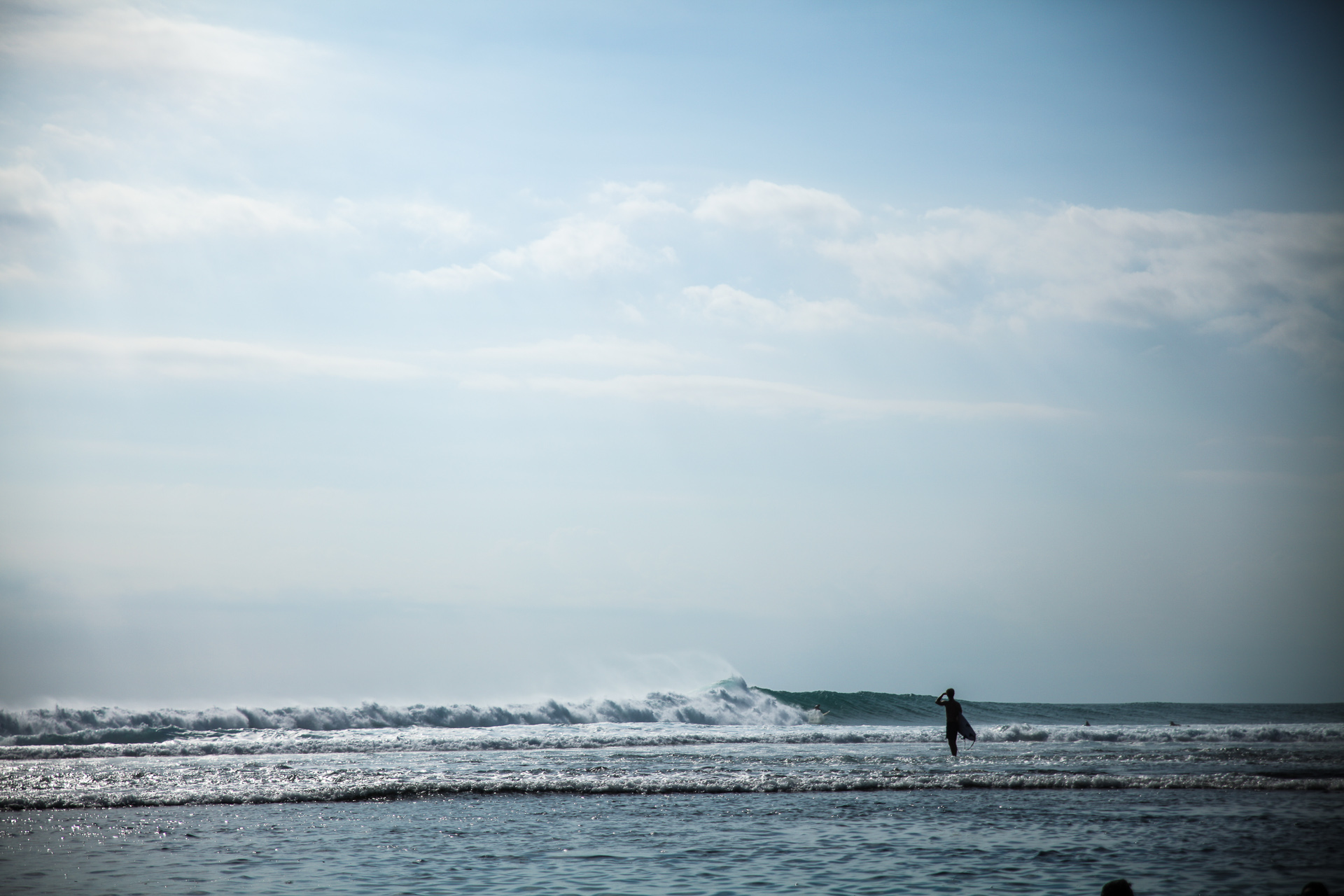
Bali is one of the great surf islands on earth, but "surfing in Bali" isn't one thing — it's a beginner's beach break and a heavy, shallow reef barrel that will put you on coral, sometimes an hour apart. The single most useful thing to know before you paddle out: almost every famous Bali wave breaks over sharp, shallow reef, and the friendly sand-bottomed beach breaks are a different, gentler world. Pick the right one for your level and you'll have the trip of your life. Get it wrong and you'll spend it picking reef out of your foot.
The one rule that shapes everything: reef, not sand
In most of the surfing world you learn on a sandy beach and progress to reef. Bali flips the postcard: the iconic waves — Uluwatu, Padang Padang, Bingin, Impossibles — all break over live coral reef in water that can be knee-deep at low tide. Falling wrong means cuts, and coral cuts on your feet and hands get infected fast in the tropics. Beginners should not "just try" a reef break because it looks fun from the cliff café. Learn on the beach breaks first. This isn't gatekeeping — it's the difference between a good week and a week limping.
Beginners: the sand-bottomed beach breaks
If you've never stood up, or you've had a handful of lessons, you want soft sand under you and mellow, rolling white-water.
- Kuta / Legian / Seminyak beach — the classic learn-to-surf strip. Long, forgiving, sandy-bottomed, walls of surf schools with foam boards. It's crowded and touristy, and that's fine — it's genuinely the right place to start.
- Batu Bolong (Canggu) — the current beginner-to-improver darling. A gentle, long wave, but the line-up is packed and chaotic, which is its own hazard: more collisions than reef here. Dawn is far saner than mid-morning.
- Jimbaran Bay — smaller, calmer, good for nervous first-timers and kids.
Tip
A lesson or a camp is worth it here — not for the standing-up (you'll manage) but for someone reading the tides, rips and etiquette for you, and picking the right peak on the day. Multi-day surf camps in Canggu and the Bukit are the easiest way to actually progress rather than just splash around.
Find a lesson or surf sessionCheck availabilityIntermediates: the step-up waves
Once you can catch green (unbroken) waves and turn, Bali opens up:
- Canggu (Echo Beach, Old Man's) — reef and reef-sand, punchier than Batu Bolong.
- Balian (West Bali) — a river-mouth wave, less crowded, more soul, a real step up.
- Medewi (West Bali) — a famously long, slow left-hander peeling over rounded rock/reef. One of the longest rides on the island and forgiving by Bali standards — a rite of passage for improving surfers. Bring reef booties; the entry is rocky.
Advanced: the Bukit reefs
This is why pros fly here. The southwest tip of the Bukit peninsula catches the Indian Ocean swell full-on, and the reefs are world-class and unforgiving.
- Uluwatu — not one wave but several sections along a reef, accessed through a cave. The island's signature wave; hollow, powerful, always crowded.
- Padang Padang — the "Balinese Pipeline." A short, perfect, very heavy and very shallow left barrel that only really works on a bigger swell. Experts only. On small days it's a beach; on big days it's a hospital queue for the overconfident.
- Bingin — shorter, intense, shallow, spitting barrels.
- Impossibles — long, fast, sectiony walls between Padang and Bingin.
Watch out
The reef and the rips are the real danger, not sharks. Know the tide before you paddle out (many Bukit reefs are lethal at dead low), never surf a reef break beyond your level to keep up with the line-up, wear reef booties if you're unsure of your footing, and treat every coral cut seriously — clean it hard, disinfect, watch for infection. Rip currents at Kuta and the beach breaks drown people every year: swim and surf between the flags, and if caught, don't fight it — paddle across the current, not against it.
Which coast, which season
Bali has two coasts and two seasons, and they trade off almost perfectly:
| Dry season (≈ May–Sep) | Southwest swell + offshore winds hit the west/Bukit coast — Uluwatu, Padang, Canggu, Kuta are at their best. Peak surf season, biggest crowds. |
|---|---|
| Wet season (≈ Nov–Mar) | Winds swing, blowing out the west. The surf moves east: Nusa Dua, Keramas (a world-class right, best on the east swell), Sanur, Serangan. |
| Shoulder months (Apr, Oct) | Often the sweet spot — good waves, fewer people, both coasts can work. |
| Tides | Matter enormously on reef. Many Bukit waves need mid-to-high tide to be safe; check a tide chart daily. |
The takeaway: there's a good wave in Bali somewhere every day of the year — you just have to follow it to the right coast. Don't book a June trip expecting to surf Keramas, or a January trip expecting glassy Uluwatu.
Boards, hire and getting around
You don't need to fly with a board. Rental is cheap and everywhere — beachfront racks and camps rent everything from soft-tops to performance shortboards by the day or week, and a foam board is included in almost every lesson. For the Bukit reefs bring or buy reef booties. A scooter with board racks is how most surfers move between spots, but the Bukit's cliff-access stairs are no joke — factor in the scramble down to Uluwatu and Bingin.
So, is Bali good for a first-ever surf trip?
Yes — with the right expectations. If you're a beginner, base in Canggu or Kuta, take lessons or a camp, and treat the Bukit as something to watch from a cliff café this trip. If you already surf, Bali is close to the best value in the world: warm water, world-class waves, cheap boards and food. Just respect the reef, read the tide, and don't let the line-up talk you into a wave you can't make.
The newsletter
I'm writing Bali the way I wish someone had written it for me
The Bukit reefs, the Canggu beach breaks, which coast works in which month — one been-there, honest guide at a time. Want the next one?